Grain, Bulk and the Bottom Line: Specifying Book Paper That Earns Its Keep
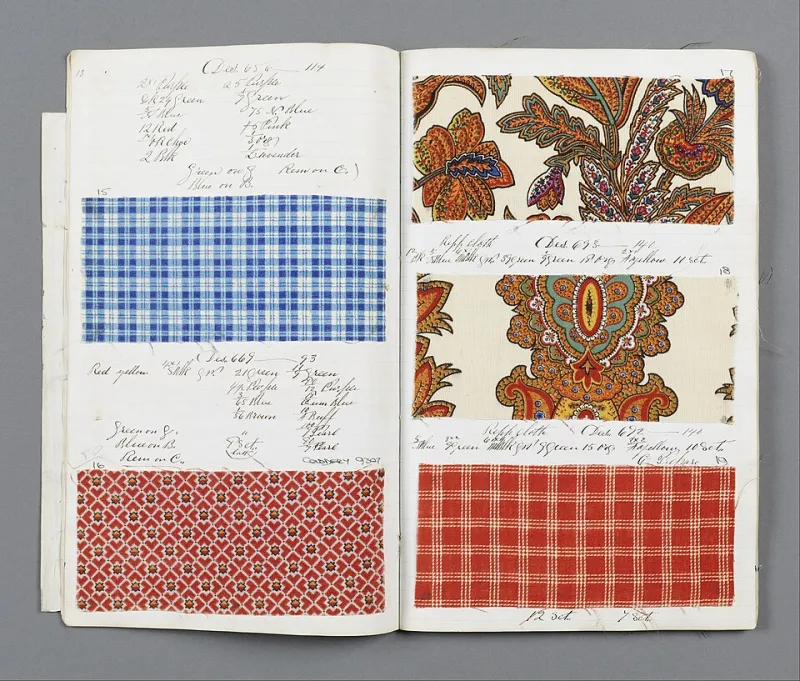
Photo: Old Pacific Print Works Details on Google Art Project, Public domain, via Wikimedia Commons
Paper is the part of a book that readers touch without noticing. It is also the part of the quote that can quietly undo your budget. At Foundry Press we think of paper as a production decision, not a decoration: the wrong sheet can make a good manuscript feel like an office handbook, while the right one can make a modest print run feel considered. The trick is to specify it before the cover is drawn, the spine is calculated or the PDF is sent. Here is a practical route through the UK paper market for small presses and authors.
Begin with the reader in mind
Ask what the book is for. A literary novel usually wants cream uncoated 80gsm or 90gsm; a business book often reads better on white; a workbook needs more opacity and perhaps 100gsm. None of those are rules. They are starting points. Cream is warm and bookish; white is crisp and reference-like; natural shades can look premium but can also look dull under shop lighting. If you are printing a poetry pamphlet or a short-story collection, the paper may be the main physical signal of care. If you are printing a manual, the reader will forgive a plain sheet if it opens flat and does not show the next page through.
What gsm does and does not tell you
Gsm is weight per square metre, not thickness. Two 80gsm sheets can have different bulk and opacity. Bulk is the thickness of the sheet; opacity is how much show-through you get. A cheap 80gsm with poor opacity will let the next page's text ghost through, especially with heavy ink or large type. A 90gsm or 100gsm sheet may be more readable, but it will also make the book fatter. Ask for caliper in microns or millimetres. Spine width is roughly pages divided by two, multiplied by caliper, plus a binding allowance. Do not use a generic online calculator if the printer has a house stock; ask them for the number they will actually use.
Cream, white and the colour of value
Readers do judge. Cream paper signals narrative; white signals information; coated paper signals images but adds weight and glare. For UK trade paperbacks, 80gsm cream is common; for nonfiction, 80–90gsm white uncoated is a sensible starting point. If you want 100gsm because it feels substantial, check the spine and postage first. A thicker book costs more to post and may not fit a standard shelf. It can also push a slim title into a higher Royal Mail parcel band, which is a real cost for a small press selling direct. Ask for a printed dummy at your page count, not just a paper swatch. A swatch tells you shade; a dummy tells you how the book will open, flop and feel.
Recycled, FSC and the honest middle ground
Ask for FSC or PEFC certification and the mill name. Recycled content is not binary: a sheet can be FSC Mix Credit with some recycled fibre, or 100% recycled. Recycled stocks have improved, but shade and opacity still vary. Ask for a sample and a printed dummy, not just a swatch. If sustainability is part of your brand, put the claim on the copyright page only after the printer confirms the chain of custody. General words like environmentally friendly are not a specification. FSC Mix Credit, PEFC and a stated recycled percentage are.
Where cheap paper goes wrong
Cheap paper rarely announces itself on the quote. It shows up later: ink rubs off on the facing page, the book curls after delivery, the spine cracks when opened, or the shade varies between reams. It can also jam folding machines and slow the binding line, which may appear as a production charge. The false economy is not the lower sheet price; it is the reprint, the returns or the review that mentions show-through. A good book can survive a plain cover. It struggles to survive a sheet that behaves badly.
Questions to put in writing
Ask your printer for the exact stock: mill, brand, gsm, caliper and shade. Ask whether it is house stock or ordered in, and what happens if it runs out mid-run. Ask about opacity, grain direction and certification. Ask for a dummy at your page count and binding style. Ask for the price difference between the chosen sheet and the next grade up. If your printer cannot name the paper, that is not a trade secret; it is a gap in the quote.
Budget like a printer
Ask for a cost breakdown with paper shown separately. Compare unit cost per finished book, not per sheet, and include waste, make-ready and delivery. Get two or three quotes on the same specification. If one printer is much cheaper, ask which stock they substituted. Lock the paper before the cover template; changing stock after the cover is approved is a false saving with a real bill. The paper does not need to be fancy. It needs to be specified, sampled and written down. That is how a small press keeps control of the bottom line without pretending that paper is only a background.