Ninety Days, No Fantasy: A Small-Press Route from Final Draft to First Print
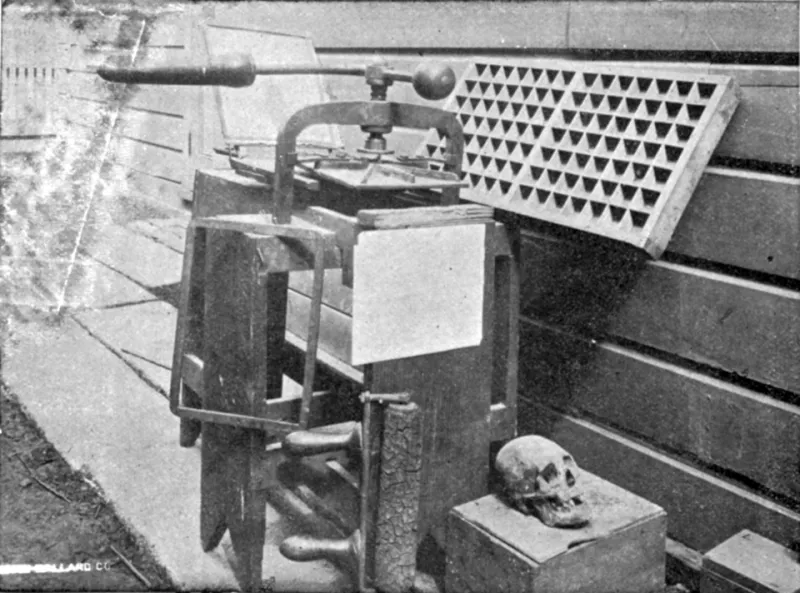
Photo: Unknown authorUnknown author, Public domain, via Wikimedia Commons
Ask a first-time author how long it takes to make a book and you will often hear a hopeful number. Ask a small-press production manager and you will hear a different one, usually followed by a sigh. Ninety days from final manuscript to first print run is achievable for a straightforward UK paperback. It is not achievable if every stage is treated as a best case, every proof comes back late, and the printer is booked before the cover spine has been measured. The timetable below is deliberately practical. It assumes a mono-text book, a modest print run, and an author who understands that final manuscript means final.
Week 1: Freeze the manuscript and build the production file
The clock starts when the text is frozen, not when the author sends a file called final-final-v7. Before anything else, agree in writing that structural edits are over. Lock the title, subtitle, author name, imprint, dedication, acknowledgements and any permissions for quotations or images. Confirm trim size, paper stock, binding, print run and budget. Apply for ISBNs early through the UK agency and create a production bible with every decision in one place. This is also the week to request printer quotes, but not to book a slot. Quotes without a paginated text are educated guesses.
Weeks 2 to 4: Edit, proofread and sort the legal admin
A copyedit usually needs two weeks for an average novel, followed by five to seven days for author review and another week for a final proofread. That is the realistic shape, not a luxury. Use the same window to diarise legal deposit. UK publishers have obligations to the British Library and the other legal deposit libraries, and the British Library copy is normally due within one month of publication. Check current guidance and put the dates in the calendar now, because this is one of the quietest ways a book falls out of compliance. Set up the ISBN record and barcode, and make sure the imprint and publisher details are consistent across the copyright page, cover and metadata.
Weeks 5 and 6: Typeset, design and stop guessing the spine
Typesetting a clean manuscript takes roughly five to ten working days, longer if there are tables, notes or images. The cover can be designed in parallel, but the spine cannot be finalised until the page count is locked and the printer has confirmed the paper bulk. A beautiful cover with the wrong spine width is an expensive lesson. Proof the PDF properly: running heads, folios, widows, orphan lines, blank pages, front matter and the copyright page. Check the barcode is the right size and placed where the printer wants it. Approve the cover at actual size, not just on a laptop screen.
Weeks 7 and 8: Proof, correct and lock the files
The author proof is where schedules often stretch. Build in a strict correction window and explain the difference between a typo and a rewrite. At proof stage, a rewrite is a production change with a cost and a delay. Once corrections are in, get a single named person to sign off the final text and cover. This is also the week to prepare metadata: title, subtitle, ISBN, price, format, page count, publication date, Thema subject codes, cover image and blurb. Late metadata can make a book invisible even when the printing is perfect. If retailers and wholesalers cannot see it, they cannot order it.
Weeks 9 and 10: Book the press slot and approve the proof
By now you should have a press-ready PDF, a final cover file, a confirmed page count and a barcode. Ask the printer for their exact checklist: bleed, crop marks, embedded fonts, image resolution, colour profile and spine width. Confirm paper availability and whether you are approving a digital proof or a wet proof. Book the slot with a written delivery date, not a hopeful verbal one. In the run-up to Christmas 2026, UK print capacity tightens, so a short-run digital printer may be more flexible than an offset press. Either way, keep at least three to five working days of printer buffer. Do not announce a publication date that depends on everything going right.
Weeks 11 to 13: Print, deliver and launch without panic
Short-run digital printing can take five to ten working days; offset takes longer. Delivery adds another few days depending on pallet size and location. When the books arrive, check a sample copy against the approved proof: trim, spine, cover finish, text block and barcode. Then send legal deposit copies, release the title, and fulfil pre-orders. Keep a fortnight of buffer in the plan if you can. If the book is time-sensitive, work backwards from the date the stock must be in the shop, not forwards from the manuscript. That single change makes the 90-day plan honest.
Where the 90 days usually leak
Projects slip in predictable places: an author who wants one more chapter after typesetting, a cover that arrives without the barcode, a page count that changes after the spine is designed, metadata that goes live after the publication date, and a printer queue that nobody checked. The fix is not more optimism. It is a lock list. Before the manuscript goes to press, confirm the final text, title, author name, ISBN, barcode, price, trim size, paper, spine width, cover, imprint, publication date and legal deposit plan. Give the schedule a 10 per cent time buffer and the budget a 15 per cent contingency. Then protect both. A 90-day book is not a rushed book. It is a book with fewer surprises.