Six Copies Before the Launch Party: A Legal Deposit Reality Check for Small Presses

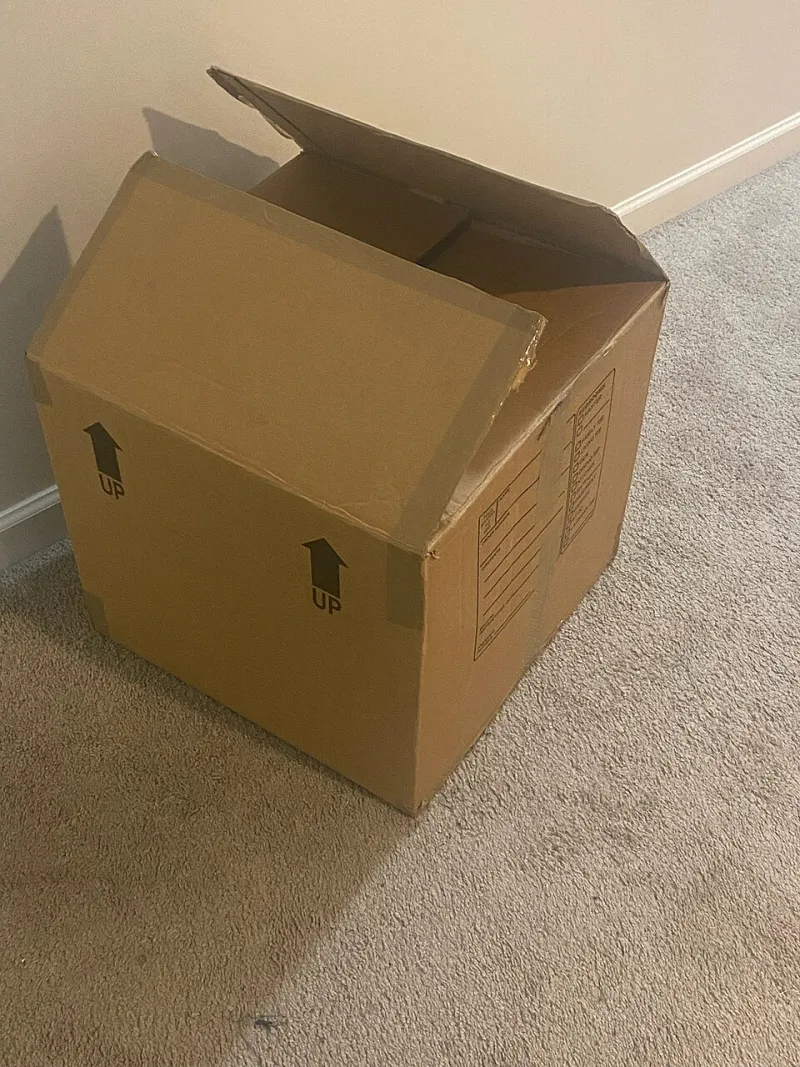
Photo: Unknown authorUnknown author, Public domain, via Wikimedia Commons
You have costed the paper, the print run, the ISBN, the proof copies and probably the launch-night crisps. What often goes missing from the spreadsheet is legal deposit: the statutory arrangement that sends copies of UK publications to a small group of libraries. It is not glamorous. It is not optional. And for a small press, it is much easier to handle at the planning stage than after the launch stock has been counted, sold and packed away.
This is not legal advice, and the details can change. But if you are publishing a print book in the UK in 2026, here is the practical shape of the obligation, what it costs, and how to stop it becoming a nasty surprise.
Who actually gets a copy?
There are six legal deposit libraries in the UK and Ireland: the British Library, the National Library of Scotland, the National Library of Wales, the Bodleian Libraries at Oxford, Cambridge University Library and Trinity College Dublin. The British Library’s copy is the one that applies automatically to print publications. The other five can request a copy within twelve months of publication. If they do request one, you are expected to supply it within a month.
That difference matters. You do not need to post six copies to six addresses on publication day and hope for the best. You do need to send the British Library its copy within the required window, and you need to keep five copies available in case a request arrives. Think of it as one mandatory despatch and five standby copies, not a six-way scattergun.
The British Library copy is not a nice-to-have
For a print book published in the UK, the British Library copy is mandatory. The usual window is one month from publication, meaning the date the book is first made available to the public. If your launch slips, your publication date slips with it, so keep that date honest and update your records if plans move.
Before posting, check the British Library’s current legal deposit guidance and address. Do not rely on an address copied from a five-year-old blog post. Use a tracked service, keep the receipt, and log the tracking number. A paperback in a padded envelope is not a grand logistical operation, but proof of delivery is worth having when you are a small publisher with better things to do than reconstruct a posting from memory.
The other libraries ask, they do not subscribe
The National Library of Scotland, the National Library of Wales, the Bodleian, Cambridge and Trinity College Dublin are not automatically entitled to every single title. They can request within the twelve-month window. Not every title will be requested, and that is normal. But if a request arrives, treat it as legitimate correspondence rather than spam. Reply promptly, send the copy within the month, and record what you sent.
This is where small presses get caught. A request can land in the week you are dealing with a damaged pallet, a late courier or a bookshop asking why the signed stock has not arrived. If the five standby copies are already mixed in with sale stock, you have turned a simple admin task into a reprint or a scramble. Label them at packing stage. Put them somewhere boring and safe. Do not sell them because someone waved a credit card at a fair.
What it does to a print run
Six copies sounds trivial until you are printing 100. Then it is six per cent of the run before you have sold a single copy. On a short run of 50, it is twelve per cent. That does not mean legal deposit is unreasonable; it means it belongs in the print-run calculation. Add the copies to your print order rather than deducting them from launch stock. If you are using print-on-demand, factor in the unit cost of ordering six separate copies and the postage on top.
A realistic budget for a 300-page paperback looks roughly like this:
| Item | Estimated cost |
|---|---|
| Six paperback copies at £4.50–£6.50 each | £27–£39 |
| Postage, six single-copy parcels | £21–£30 |
| Packaging and labels | £3–£6 |
| Admin and record-keeping | 30–60 minutes |
| Total | About £50–£75 |
A hardback will cost more: perhaps £80–£110 all in, depending on weight and postage. Tracked or courier services push it higher. These are planning figures, not quotes. The point is that legal deposit is usually a modest line item, not a crisis, provided you reserve the copies before the print run is locked.
A simple checklist
- Before you approve the print run, add six legal deposit copies plus a spare or two if your budget allows.
- Record the publication date and the date the book first goes on sale.
- Check the British Library’s current legal deposit instructions and address.
- Send the British Library copy within the required window, using a tracked service.
- Keep five copies labelled and separate from sale stock.
- Watch for requests from the other legal deposit libraries and respond within one month.
- Log the title, ISBN, publication date, library, date sent, tracking number and cost.
- Check whether a new edition or substantially changed version triggers a fresh obligation before you reprint.
- If you publish digital editions, check the separate arrangements for non-print legal deposit rather than assuming the print rules cover everything.
The bit people forget
ISBNs do not trigger legal deposit. Invoicing a wholesaler does not trigger it. A book existing does. That is why the obligation can sit quietly in the background until a request or a reminder brings it forward. The admin is not heavy, but it is real: a spreadsheet tab, a labelled box and a diary note will do more for you than a frantic search through launch-week emails.
At Foundry Press, we tend to think of legal deposit as part of the book’s production record, alongside the colophon and the print docket. It is one of the last practical links between the finished object and the public record. Budget the copies, post them properly, keep the receipts, and get back to the interesting part: making books well and selling them to people who want to read them.