Print Runs Without the Hangover: Working Out How Many Copies You Actually Need
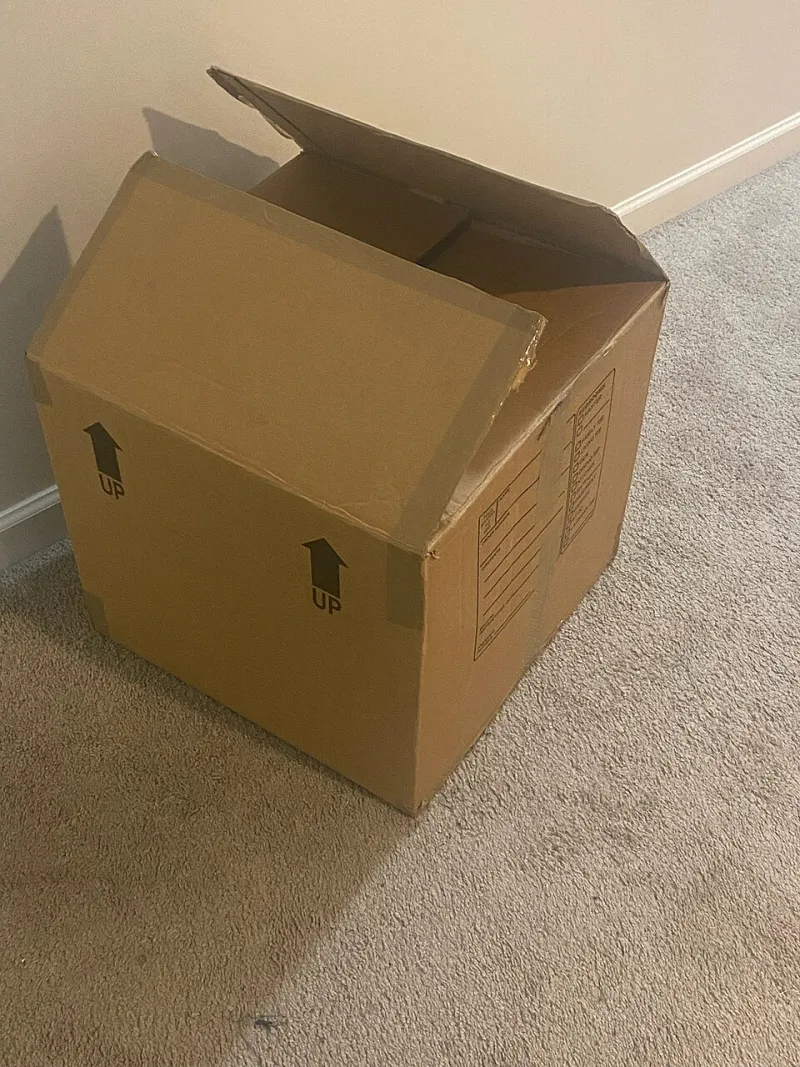
Photo: MrBeastRapper, CC BY-SA 4.0, via Wikimedia Commons
There is a moment in every small press's life when a printer's quote arrives and the numbers seem to whisper a very seductive thing: print more, pay less. A thousand copies at £3.10 each. Two thousand at £2.40. Suddenly the sensible run of 500 looks like amateur hour.
And it might be. Or it might be the most expensive false economy in publishing. The trouble is that the unit price is a number, and a spare room full of unsold cartons is a feeling. One is easy to compare; the other is hard to price. So let's price it.
The curve is real, but it flattens fast
Offset unit costs do fall sharply with quantity — mostly because the set-up work (plates, make-ready, wash-up, binding line start) gets spread across more copies. The savings are dramatic between 500 and 2,000, decent between 2,000 and 3,000, and by 5,000 you are arguing over pennies. If a printer is quoting you a spectacular drop at a very high quantity, check what changed in the specification: a lighter paper, a cheaper board, a different binding method.
Digital printing behaves differently. The cost per copy is fairly flat, so there is little to gain from over-ordering — which makes short digital runs genuinely useful for testing a title, a cover, or a market before committing to offset.
UK printer minimums vary a lot. Digital short runs often start around 100–250 copies; offset becomes worth considering somewhere between 500 and 1,000 depending on trim size, extent and whether you want hardback. Ask directly what the minimum is and what the next price break is — the gap between those two numbers is where most of the emotional pressure lives.
The simple formula most people skip
Unit cost tells you how much a copy costs to make. It does not tell you how much a copy costs to have made. For that, you want what I have come to call the real cost per sale:
Real cost per sale = (total print spend + storage + any financing cost) ÷ copies you expect to actually sell
Run that on two scenarios and the picture changes. Suppose 2,000 copies cost £4,800 all in, and you realistically sell 900 in two years. That is £5.33 per sale. Now suppose 1,000 copies cost £3,100 and you sell 850. That is £3.65 per sale. The cheaper unit price was the more expensive book.
The second sum is the honest one: you are dividing by sales, not by stock. Copies that sit in a box are not cheap copies — they are money in a different shape, slowly losing value to warehouse dust and the passage of the cultural moment that made the book timely in the first place.
Printer minimums, brackets and the gentle nudge
Printers are not villains here; they are quoting you the shape of their own economics. That said, it is worth knowing that some quotes are structured to push you over a bracket. Ask for prices at three quantities — say 750, 1,000 and 1,500 — and ask what the per-unit difference is once you include delivery to a single UK address. Don't be shy about asking what the run would cost without the fancy endpapers. The aim is to buy the book you want at a quantity you can afford, not to win the quote.
Also ask about reprint economics. A second offset run usually carries fresh set-up costs but often at a lower rate once files are proven. Some printers will hold plates or archive digital files cheaply; others will charge a modest fee. Knowing the reprint price before you sign is a form of insurance.
The spare-room question
Be blunt with yourself about space. A carton of paperbacks holds somewhere in the region of 20–25 copies; a pallet holds thirty-odd cartons. A thousand copies is roughly two pallets' worth of cardboard, and it will not fit tidily under a desk.
If you are storing at home, think about weight as well as volume — paper is heavy, and floors are not always as forgiving as they look — plus damp, sunlight and the small matter of living alongside your own unsold ambition. Commercial storage in the UK is priced per pallet per week and adds up quietly. If you are using a distributor or wholesaler such as Gardners, storage and handling will be part of the arrangement, and there will be charges for returns and for slow-moving stock.
Cash flow: the bit that actually decides the run
Books are zero-rated for VAT in the UK, which removes one headache. It does not remove the others. You pay the printer in full, often partly up front, and you get paid by booksellers on 30- to 90-day terms — if you are lucky and they are prompt. Sale-or-return arrangements mean a chunk of what you thought you had sold can come back.
So ask the question that no unit-cost spreadsheet will answer: if I print this many, what breaks? If the answer is that a second book cannot be printed until the first one clears, you have printed too many. Many small presses find that a smaller run, reprinted sooner, keeps the cash moving and keeps the list alive. A slow-selling title reprinted at speed is a happy problem; a slow-selling title with 1,400 copies in the garage is a storage problem with a marketing guilt complex attached.
When to reprint, and when to sit tight
The old retail rule of thumb — reorder when stock hits roughly a third of your target holding — is not a bad starting point. In practice, watch your rate of sale rather than your pile. If you are shifting 40 copies a month and reprint lead time is four weeks, you want a reprint decision at around 150–200 copies remaining, not at 20. Digital reprints can turn around in a fortnight; offset more like a month to six weeks. Work backwards from the lead time and the rate of sale, not from how the shelf looks.
And do not reprint on the strength of one good month. A festival appearance, a radio mention or a well-timed review can create a spike that looks like a trend and isn't. Two or three steady months is a signal. One glorious fortnight is weather.
The short version
Print the number you can store, fund and sell without flinching — then add a modest cushion for the orders you cannot predict, and no more. The discount on the extra thousand copies is only a discount if those copies become sales. Otherwise it is a loan you have made to a pile of cardboard, and the interest is your spare room.